Managed AI APIs and cloud services are excellent for many workloads, but recurring inference, sensitive data and predictable utilisation can change the economics.
← All work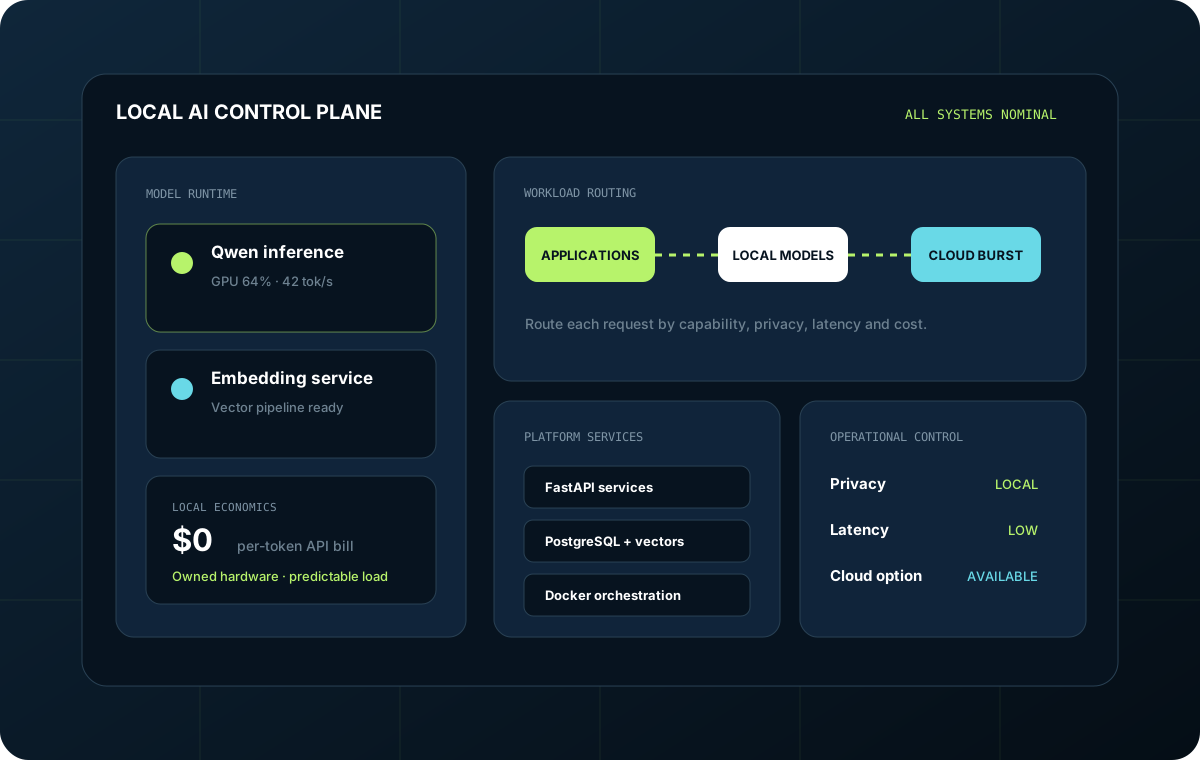
Working product / capabilityPrivate inference & orchestration
Local AI Infrastructure
Useful AI workloads on infrastructure you control.
A dedicated environment for open-weight models, platform services and data workloads, designed around cost, privacy and operational control.
QwenLinuxDockerNVIDIAFastAPIPostgreSQLPrometheus-ready
A local platform for running Qwen models, application services, databases and supporting tools while retaining the option to use cloud capability where it is stronger.
03 / System shape
The useful part is how the components become one workflow.
04 / What this proves
A working example of joined-up engineering.
Open-weight models can serve practical internal workloads on owned infrastructure.
Cloud and local inference can coexist behind replaceable interfaces.
Cost control requires operations, monitoring and workload discipline — not just buying hardware.
05 / The engineering
How the system is put together.
- Containerised model serving and application services
- GPU-aware inference and workload isolation
- PostgreSQL, vector search and platform data
- Monitoring, backups and controlled remote access
- Hybrid patterns for managed and local model use
06 / The trade-offs
Deliberate architecture choices.
- Accept ownership of hardware and operations in exchange for control
- Use local inference for suitable steady-state workloads
- Avoid ideology: burst, frontier and managed services can remain cloud-based
07 / What became possible
The result is working capability.
These are capability outcomes rather than invented client metrics. Commercial measures can be added as the products are deployed and benchmarked.
01
Near-zero marginal API cost for suitable local workloads
02
Greater privacy and data control
03
Predictable performance for internal products
04
A practical testbed for hybrid and edge architecture
More working evidence
Discuss a similar problem ↗Related work.
 01
01
Property & geospatial intelligence
GeoM8
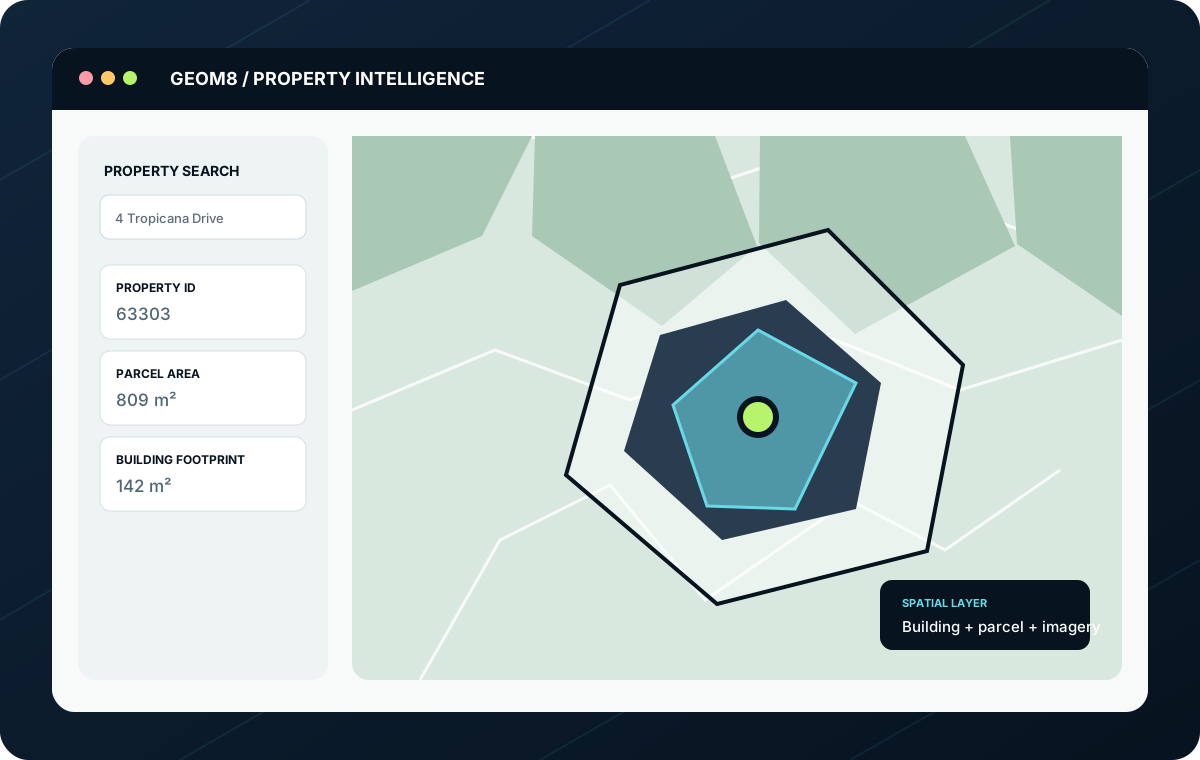
GeoM8 combines property, address, parcel, building and imagery data into a shared platform for analysis and operational workflows.
PythonFastAPIPostgreSQLPostGIS
View case study
 02
02
Roofing operations & quoting
RoofM8
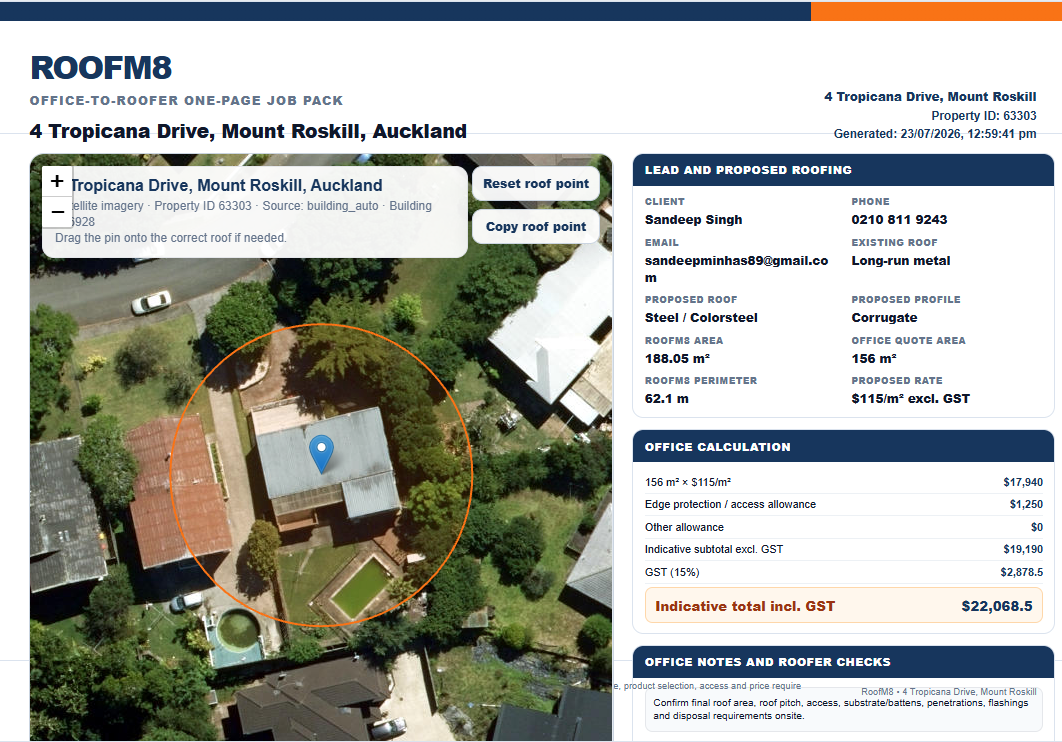
RoofM8 turns spatial property data, aerial imagery, roof information and pricing logic into an operational workflow for roofing businesses.
PythonFastAPIPostgreSQLPostGIS
View case study
 03
03
Digital intelligence & opportunity platform
DigiM8
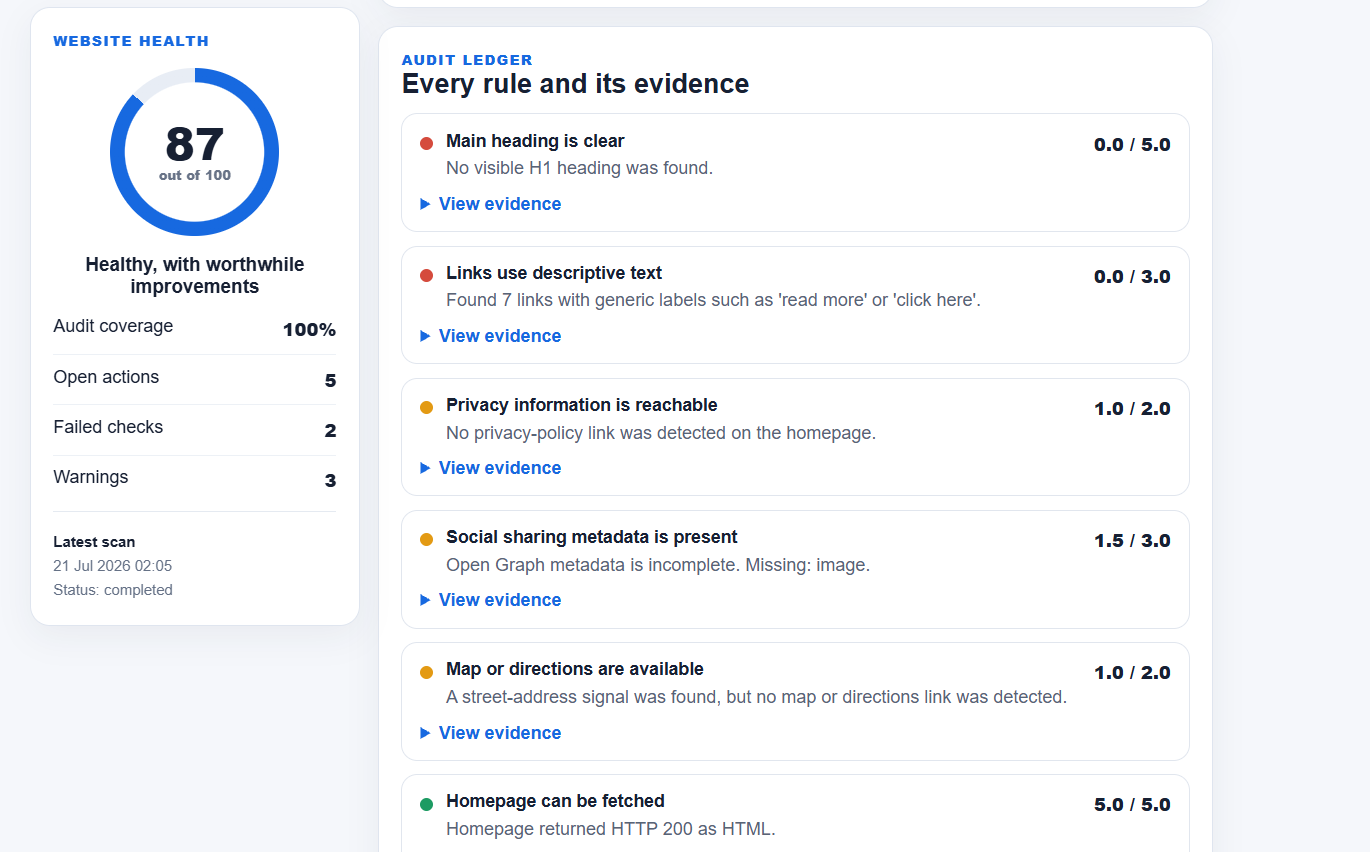
DigiM8 evaluates websites, search visibility and market evidence, then converts findings into a practical growth backlog.
PythonFastAPIPostgreSQLPlaywright
View case study